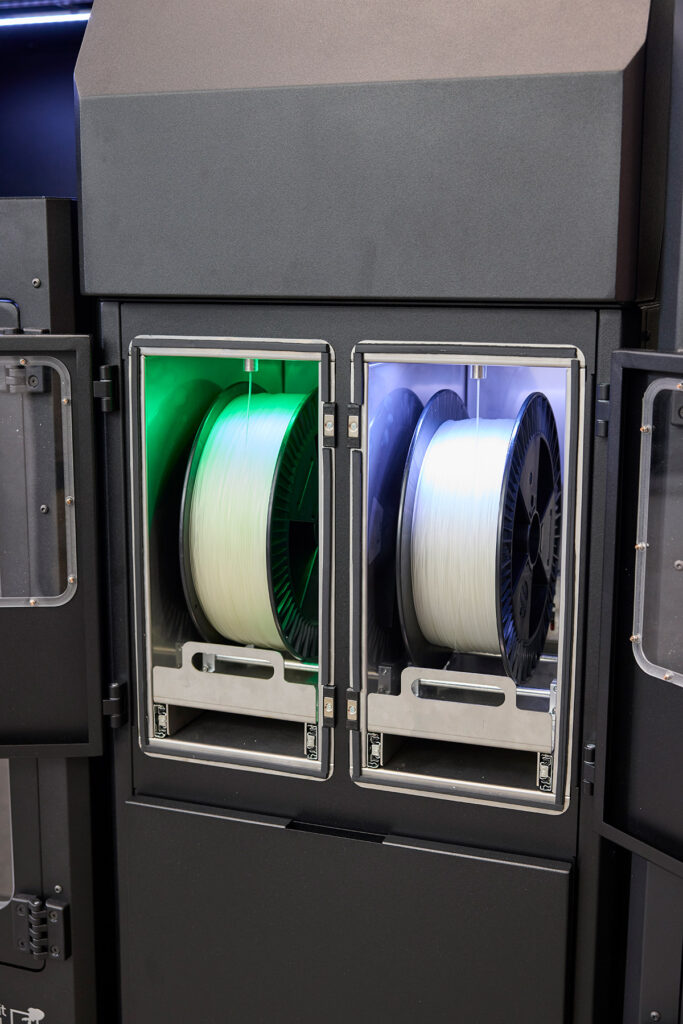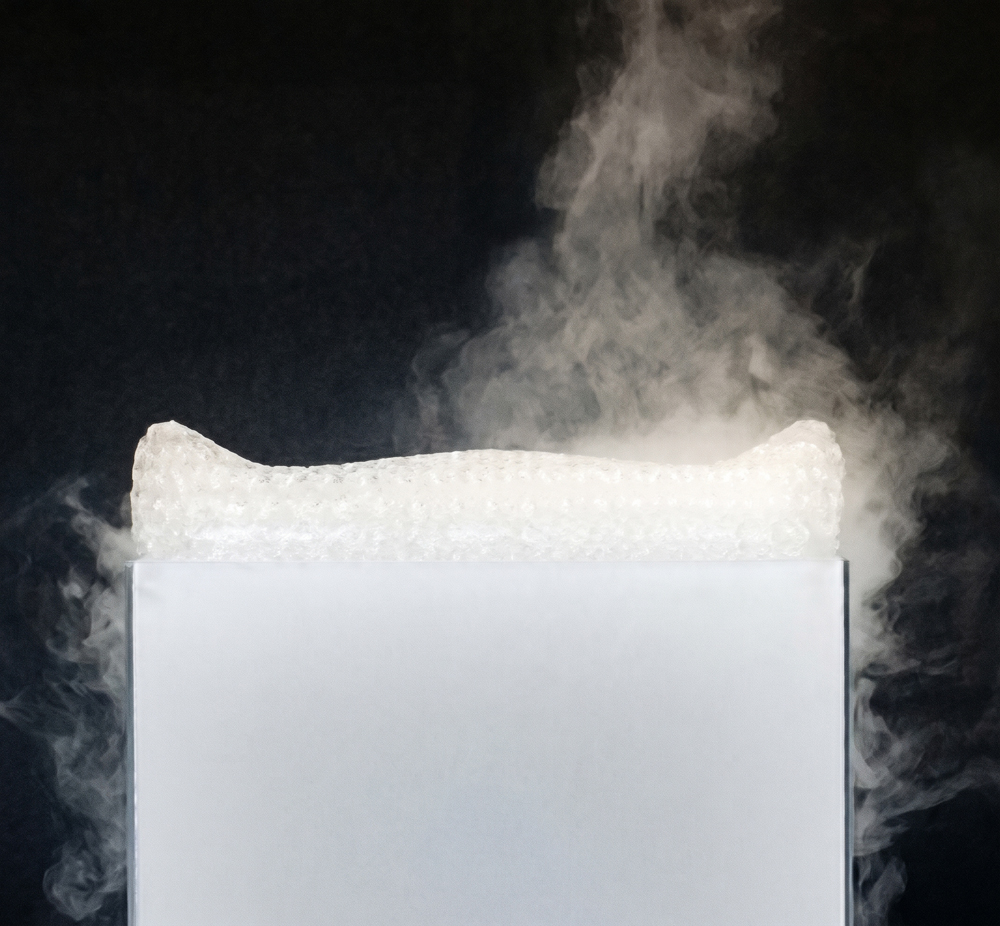
We learned to live with foam’s flaws — but should we?

Foam has long been the go-to material for custom seating. It’s soft, easy to shape, and widely available. But it also absorbs fluids, breaks down over time, and often requires chemical treatment just to be safe enough. We’ve accepted those trade-offs because there was no better option.

Now there is.

Programmable Foam® outperforms traditional foam on the parameters that matter most, especially when your health, safety, and comfort depend on it.

Comparison

We performed the following tests to demonstrate the differences in behavior between Programmable Foam® and traditional foam.

How Programmable Foam® compares to traditional foam

Traditional foam Versus Programmable Foam®
Absorbs moisture, hard to clean
Surface hygiene
Smooth, sealed surface
– hygienic and easy to wipe
Often not washable
or damaged by liquids
Washability
Fully washable
– withstands cleaning and disinfection
May require additives for fire resistance or waterproofing
Chemical treatment
No chemical additives
– safety by design
Poor ventilation
– heat and moisture buildup
Micro-climate
Designed airflow and ventilation
– cooler and drier
Limited ability to adapt
to body zones
Pressure distribution
Zone-specific control for even,
customized support
Breaks down over time,
especially with use
Durability
Long-lasting, tested durability
Manual shaping leads to variation
Repeatability
Digitally controlled
and fully repeatable
High waste from carving
Material waste
Minimal waste
– printed to the final shape
Limited and inconsistent
due to uniform density
Shock absorbing
Precisely tuned properties that absorb shocks and improve comfort and safety

What our customer say

“With the 3D-printed Programmable Foam seat, we can design much more accurately. We can define exactly where to provide pressure relief and where to add support, and the technology delivers it. It allows us to combine comfort and clinical positioning in one solution. With traditional foam, we often had to compromise — it wasn’t as durable, harder to clean, and less stable. With this technology, we don’t have to make those trade-offs anymore.”

Jan Warnke
RAS team, occupational therapist
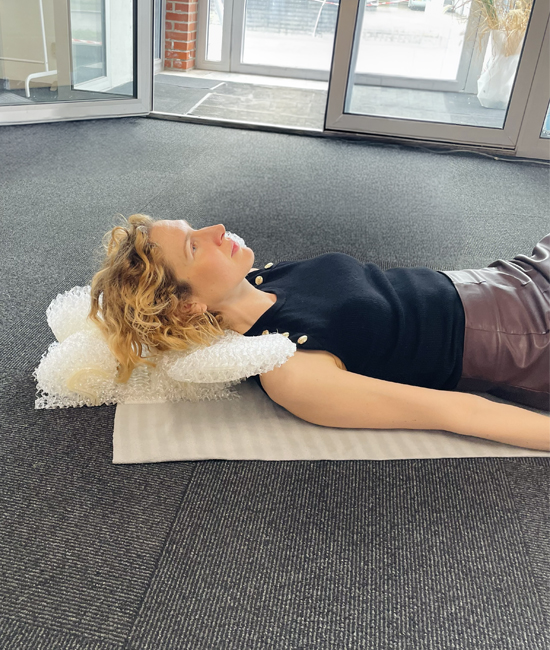
Programmable Foam® in advanced head and neck support systems

In this article, we highlight a study conducted by a group of students from the University of Pittsburgh. The researchers explore why traditional foam failed and demonstrate how Programmable Foam® successfully met all 9 upfront requirements.

TPU is the new super material

With the EU tightening resource regulations and introducing new eco fees, how much longer can your business afford to rely on traditional foam? Sectors that delay adaptation often find themselves caught unprepared by rising compliance expenses. Take a moment to look at the visible and hidden costs of traditional foam, and see how Programmable Foam® helps you stay ahead of regulatory deadlines.